ClimateAnalysis
Sodium batteries are leaving the lab. Here's what they can't do yet
Batteries made from salt-like materials are now rolling off factory lines. They're cheaper and safer, but they won't replace lithium everywhere.


By Priya Raman and Owen Castellano
· 2 min read
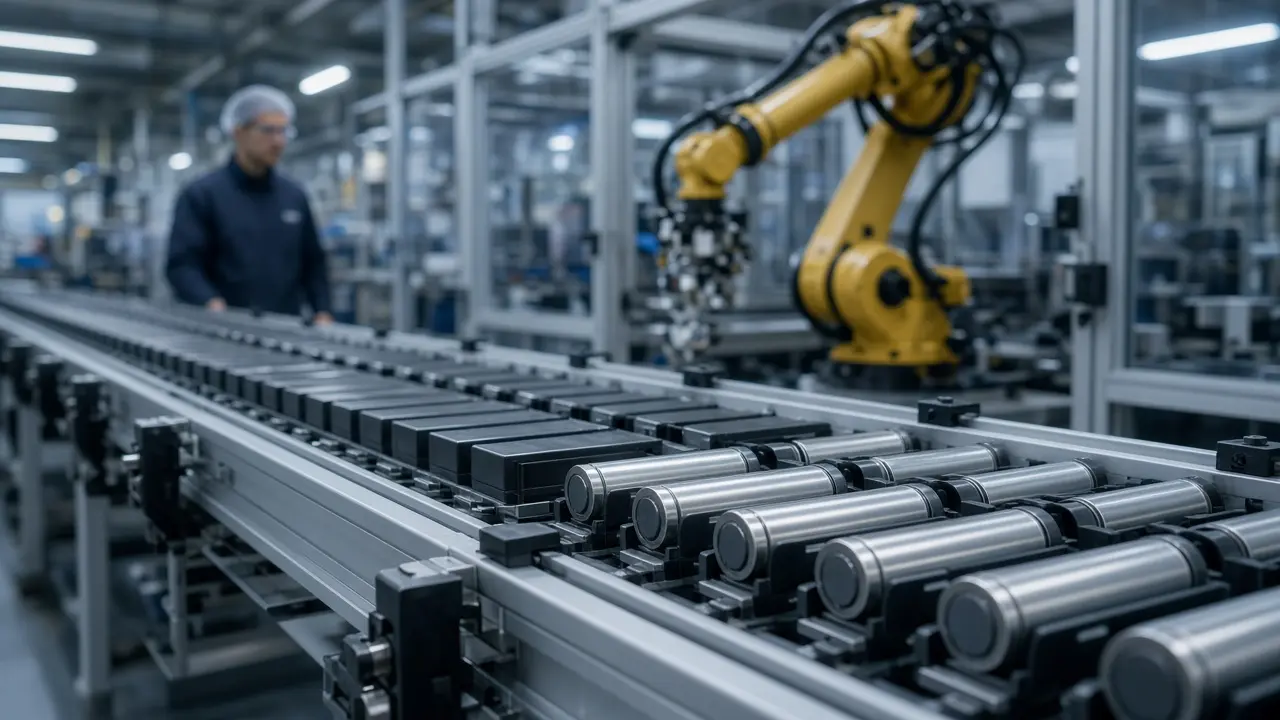
For years, sodium-ion batteries were the next big thing that never quite arrived. That’s changing. Several manufacturers are now producing them at scale, and they’re starting to show up in home storage units and small city cars.
The pitch is easy to understand. Sodium is everywhere. It’s in seawater and table salt. Lithium is concentrated in a handful of places and its price swings wildly. A battery that doesn’t need lithium could be cheaper and less exposed to supply shocks.
Where sodium wins
Sodium cells have real advantages beyond price:
- Safety. They’re less prone to overheating and can be stored and shipped fully discharged.
- Cold weather. They lose less capacity in freezing temperatures.
- Materials. Most designs avoid cobalt and nickel as well as lithium.
For stationary storage, the batteries that sit beside solar panels or at the edge of the grid, those advantages matter more than weight. Nobody cares how heavy a battery in a garage is.
Where it doesn’t, yet
The catch is energy density. A sodium cell stores less energy for its weight than a good lithium cell, roughly 20 to 30 percent less in today’s commercial designs. For a phone or a long-range car, that’s a dealbreaker.
Sodium doesn’t have to beat lithium. It only has to be good enough in the places where weight doesn’t matter.
That’s why the first cars using sodium are small and built for cities. Their buyers drive short distances and charge at home.
The money question
Cheaper materials don’t automatically mean cheaper batteries. Factories are expensive, and lithium plants have a decade’s head start on scale. Several analysts we spoke with expect sodium to be cost-competitive for storage within a few years, but only if production keeps growing.
There’s also a risk in the comparison itself. When lithium prices fall, sodium’s advantage shrinks. When they spike, interest surges. Manufacturers are betting the swings will continue.
The likely future
The most probable outcome isn’t a winner. It’s a split. Lithium keeps the jobs where every gram counts. Sodium takes over the jobs where cost, safety, and supply matter more. For grid storage, that’s most of them.
- energy
- batteries
- manufacturing